Design thinking in local government
The start of design work is often called the ‘messy front end’. It’s a good metaphor for work which is curious, exploratory, and not sure where you’re heading. That probably sums up a lot of work, roads taken (and not) across my career. One of those roads was in 2020.
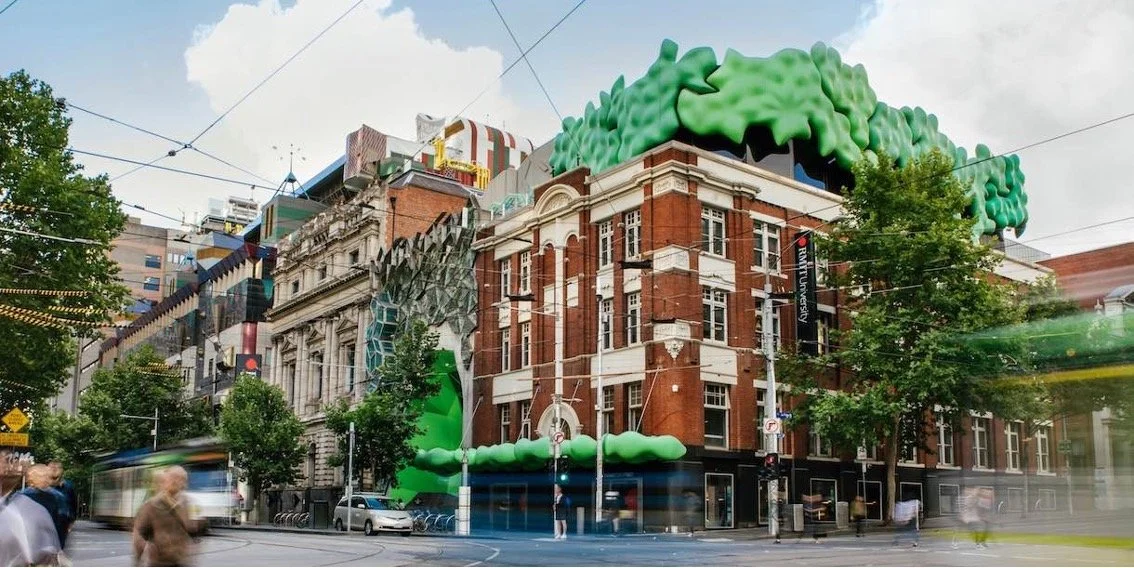
At the time I was in an exec role leading a large team, managing as we all were through Covid-19, and working on launching and embedding human-centred design ways of working. But apparently not busy enough. I enrolled and spent a solid couple of years immersed in the Master of Design Futures at RMIT.
I went digging into how councils can adopt design, to support people to work creatively and collaboratively on the complex problems councils deal with every day. Where the research led me was almost a full circle back to the importance of:
👉 Having a clear ‘why’
👉 Active leadership support, and on-the-ground learning and experimentation
👉 Contextual adaptation and integration into systems and processes
It matters because design is an ideal partner for leaders and organisations working through complexity and ambiguity.
Why talk about it now? Last week RMIT School of Design held its 2025 Grad Shows and launched the ‘MDF Papers’: executive summaries of a decade of thoughtful, imaginative work in the program - including mine!
I’ve been scrolling through the MDF Papers, and they all capture that spirit of exploration. No single path. Just lots of ways to ask better questions and approach complex work with imagination.
Take a look at the MDF papers here:
https://publish.obsidian.md/mdf-papers-site
Credit to the hard work of Nick Petch, M.Des and Marius Foley, PhD
📷 RMIT